
After Wang Fuk Court
Finding a place to live after the Wang Fuk Court fire
What it takes to settle again after Hong Kong’s deadliest fire in over 70 years.
Updated September 27, 2026
First edited May 3, 2026 · Edited again September 7, 2026
Months after the fire at Wang Fuk Court, I contacted the Hong Kong Red Cross to find out how people who had lost relatives or been forced from their homes were doing: whether they could access financial assistance, find suitable accommodation and begin to return to everyday life. This article draws on published personal accounts made available by the Red Cross and other organisations, alongside government records.
With thanks to the Hong Kong Red Cross for making these personal accounts publicly available.
Derek Yung / iStock · Editorial use
Ms. Chu spent a week in hospital and needed a place to live, but due to mobility issues could not move into a transitional apartment on the third floor. Her husband eventually found a ground-floor flat in Yuen Long, and the couple moved in mid-December. [1]
Ms. Chu's story is told in a report published by the Hong Kong Red Cross, which identifies her by a pseudonym. It describes a small part of the work that followed her rescue. [1]
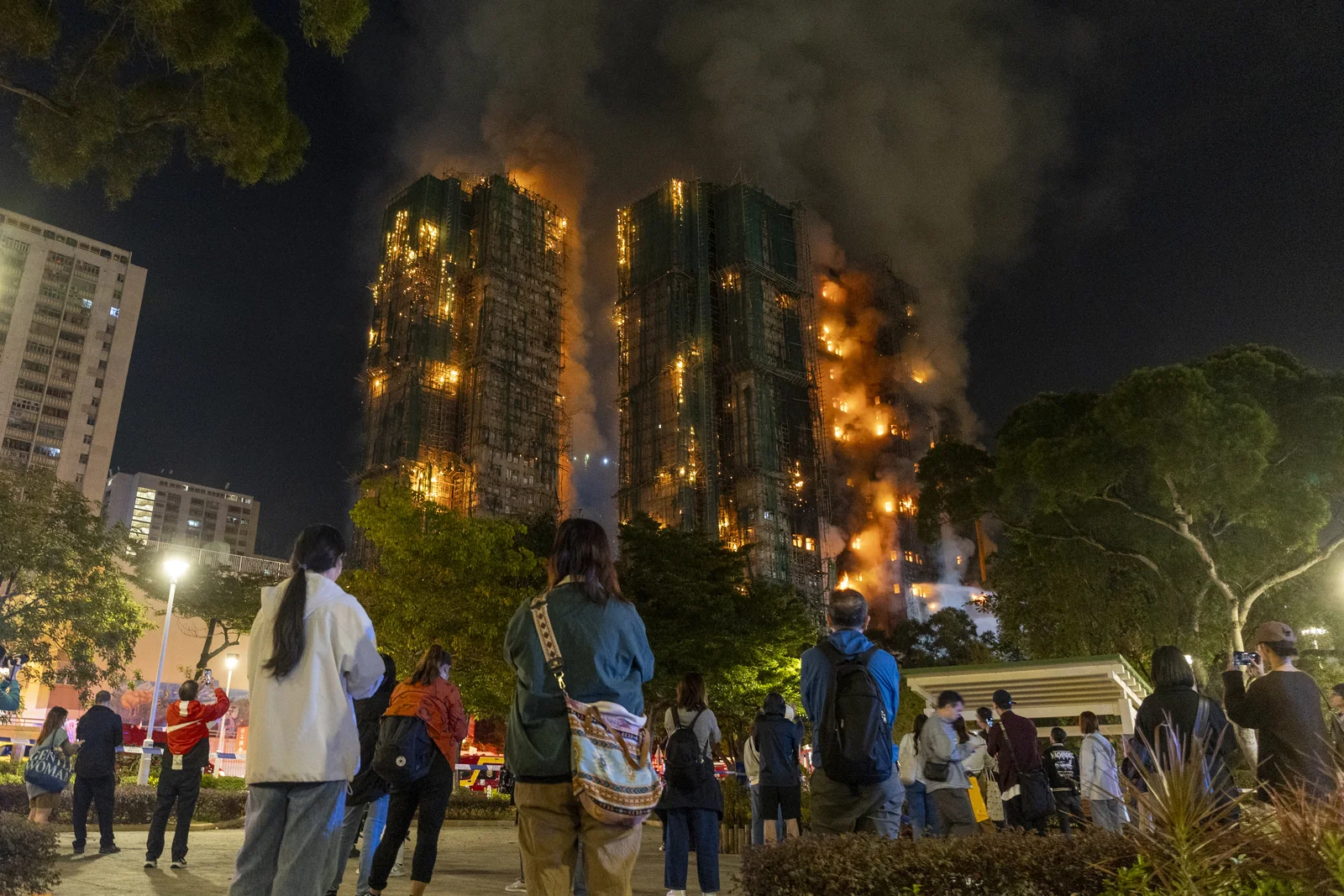
168 people died and almost 2,000 households were displaced by the Wang Fuk Court fire in Tai Po on November 26, 2025, according to Habitat for Humanity Hong Kong. People needed a place to live while coping with the loss of their belongings and, sometimes, relatives. [2]
These stories drew my attention to the practical aspects of providing assistance. The housing has to suit the residents, and the application process needs a way of checking eligibility. Applicants sometimes need additional time to talk at the registration desk.
By September the government buyout program had already involved the majority of the property owners. According to the Housing Bureau's update of September 3, 1,971 owners across the estate's eight blocks had confirmed their intention to sell their property titles, and 1,595 households had signed sale-and-purchase agreements as of September 2. These numbers show the progress of flat purchases; however, they do not show how many families managed to find permanent replacement homes. [3]
Suitable accommodation also depends on the journeys it requires and whether daily tasks are manageable there.
According to Habitat for Humanity Hong Kong, its response has included providing household items — beds, wardrobes, tables, chairs, kettles, and rice cookers — to the affected families. The organization also describes work towards a three-year housing assistance program, with input from social workers, housing operators and residents. Although these items are basic household goods, acquiring them requires money, delivery arrangements and space in the new accommodation. [2]
Derek Yung / iStock
Issues with the provision of emergency assistance arose several days after the fire. In a letter dated 1 December 2025, the Hong Kong Social Workers General Union noted difficulties distinguishing owners from tenants that delayed financial assistance for some households. The union called on aid organizations to give priority to actual residence when deciding eligibility for assistance. [4]
The union also raised the possibility that identity cards and tenancy agreements had been destroyed and suggested using social worker referrals or sworn declarations as alternative documentation. Though this letter describes issues encountered during aid delivery, it does not give the number of affected families or establish how particular cases were resolved. [4]
A volunteer's account, published on Tzu Chi's Jing Si website on December 12, 2025, reveals another obstacle in providing aid. On the first Saturday after the fire, a distraught resident directed an outburst at volunteers. Then a team leader sat with the resident on a bench by a park, giving her time to regain her composure before helping her register. [5]
Another challenge in providing relief assistance is mentioned by Charmaine, a psychological-support volunteer with the Red Cross, in an account published by the organization. She described the additional strain on bereaved family members when sharing their experiences left friends and relatives so distressed that the bereaved themselves had to provide comfort. [1]
A family may need a quick decision while someone in it needs more time to talk about what happened. Staff on the ground should be prepared for both.
Charities select stories to show their work, and the limited number of published accounts cannot represent every family's experience. These stories describe particular problems that arose after the fire and cannot establish whether the same problems remain unresolved today.
The stories still raise questions about the current recovery: can residents manage in the accommodation offered? Is it possible to verify applications when the usual documents are missing? Is there someone who can listen without placing additional demands on the person seeking help?
For Ms. Chu, suitable accommodation meant a ground-floor flat. Finding it took another search. [1]
Sources
- Hong Kong Red Cross. Stories of support after the Tai Po fire. Publication date not stated; accessed September 8, 2026.
- Habitat for Humanity Hong Kong. Wang Fuk Court fire response and housing support. Undated live page; accessed September 8, 2026.
- Housing Bureau. Progress of the Wang Fuk Court property-title acquisition programme. September 3, 2026; figures as of September 2.
- Hong Kong Social Workers General Union. Letter on assistance for residents affected by the Wang Fuk Court fire. December 1, 2025.
- Shi Dehua. Volunteer account of relief work after the Tai Po fire. Tzu Chi Jing Si website, December 12, 2025.
- Reuters. Police arrest construction firm bosses over Hong Kong fire. Updated November 28, 2025. Historical comparison: Hong Kong’s deadliest fire since 1948.